

Acne Before Your Period vs. Acne in Early Pregnancy: How to Tell the Difference
That unwelcome pimple (or a cluster of them) appearing on your chin or jawline can be a frustrating mystery. If you’re trying to conceive or are sexually active, the question looms: is this just standard premenstrual skin, or could it be an early sign of pregnancy? The truth is, telling the difference is notoriously difficult because the root cause is the same: hormones. However, by looking at the timing, characteristics, and accompanying symptoms, you can make an educated guess.
The Common Culprit: Hormonal Fluctuations
Both Premenstrual Syndrome (PMS) and early pregnancy acne are driven by the same hormonal shifts, primarily involving progesterone. After ovulation, whether an egg is fertilized or not, your body’s progesterone levels rise. This hormone stimulates the skin’s sebaceous glands to produce more oil (sebum). This excess oil can mix with dead skin cells and bacteria, clogging pores and leading to inflammation and breakouts.
So, if the mechanism is identical, how can they be different? The distinction often lies in the degree and duration of the hormonal change, which can manifest in subtle ways on your skin and throughout your body.
Acne from Premenstrual Syndrome (PMS)
PMS-related acne is a cyclical, predictable part of many menstrual cycles. It follows a clear pattern tied to your menstrual cycle’s phases.
- Timing: Breakouts typically appear in the days leading up to your period, usually 1-2 weeks before bleeding starts (during the luteal phase). They often clear up relatively quickly once your period begins and hormone levels drop.
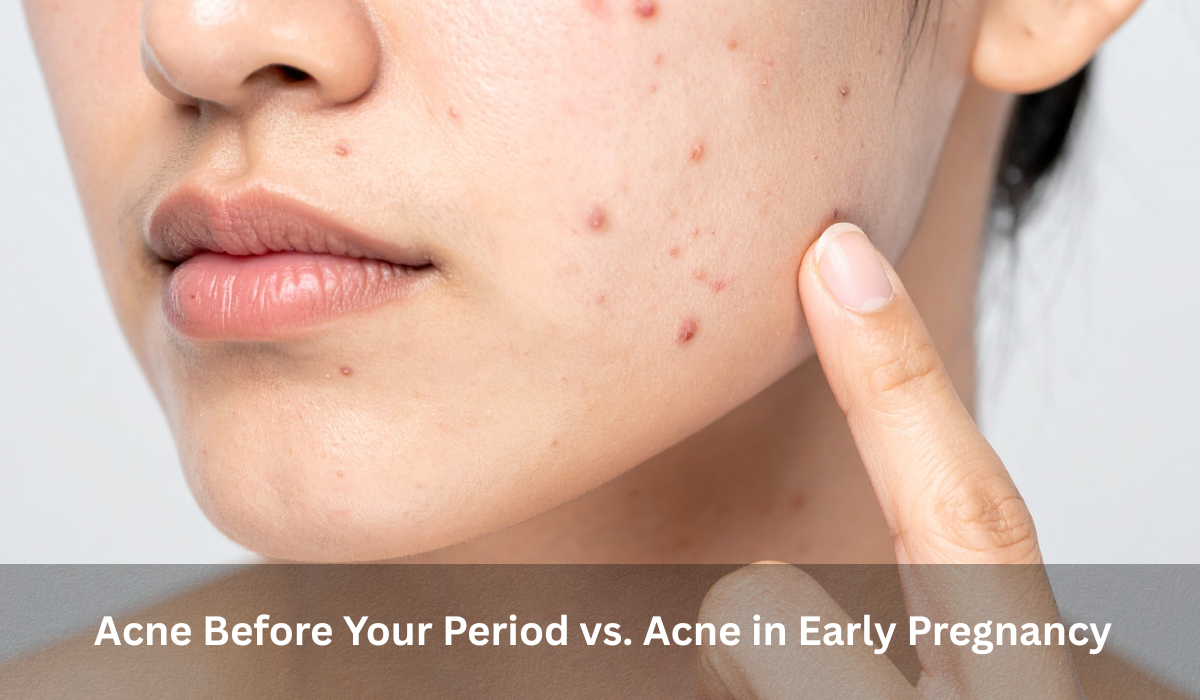
- Location: PMS acne has a favorite spot: the lower half of the face. You’ll most commonly see pimples, cysts, and blackheads concentrated along the jawline, chin, and around the mouth. This is sometimes called a “hormonal beard” pattern.
- Type of Acne: It tends to be inflammatory, presenting as deep, often painful, red bumps (papules and pustules) or even cystic acne beneath the skin’s surface that doesn’t come to a head.
Acne in Early Pregnancy
Early pregnancy acne can feel like a more intense and prolonged version of your typical PMS breakout. For some women, it may be one of the very first signs of pregnancy, even before a missed period.
- Timing: It can start as early as 1-2 weeks after conception and may persist for weeks or even months, rather than clearing up with the onset of a period. If your “PMS” acne doesn’t resolve as expected and your period is late, this is a significant clue.
- Location: While it can also appear on the jawline and chin, pregnancy acne can be more widespread. You might notice breakouts in places you don’t typically get them, such as your chest, back, or even your entire face.
- Type of Acne: It can range from blackheads and whiteheads to severe, inflamed cystic acne. The key differentiator is often its persistence and its occurrence alongside other early pregnancy symptoms.
The Most Important Clue: Look for Other Symptoms
The most reliable way to distinguish between the two is to consider the other symptoms you’re experiencing.
Common PMS Symptoms:
- Mood swings, irritability, or anxiety
- Bloating and digestive discomfort
- Breast tenderness and swelling
- Fatigue
- Cramping (that subsides with your period)
- Food cravings
Common Early Pregnancy Symptoms:
- A Missed Period: The most telling sign.
- Fatigue: Often described as an overwhelming, profound exhaustion.
- Nausea (with or without vomiting): “Morning sickness” can start as early as two weeks after conception.
- Frequent Urination: Needing to pee more often than usual.
- Breast Changes: Tenderness, tingling, and darkening of the areolas that is often more intense than with PMS.
- Metallic Taste in Mouth: A strange symptom many pregnant women report.
- Implantation Bleeding: Light spotting that occurs around the time your period is due.
Taming the Breakout: Your Guide to Acne Care During PMS and Early Pregnancy
Dealing with hormonal acne can feel like a moving target, especially when your body is undergoing significant changes like those before your period or during early pregnancy. The key is to adjust your strategy for safety and effectiveness. Here’s how to care for your skin during these sensitive times.
Universal Safe Skincare Strategies (For Both PMS & Pregnancy)
These foundational steps are effective, gentle, and safe for all stages of your life.
- Gentle Cleansing: Avoid harsh, stripping cleansers that can irritate the skin and worsen oil production. Use a mild, sulfate-free cleanser twice daily. Over-washing can signal your skin to produce more oil.
- Moisturize, Moisturize, Moisturize: Even oily, acne-prone skin needs hydration. A good, non-comedogenic (won’t clog pores), oil-free moisturizer helps maintain your skin’s barrier. When your skin is dehydrated, it can overcompensate by producing excess sebum.
- Non-Negotiable Sunscreen: Sun exposure can worsen inflammation and post-acne dark spots (hyperpigmentation), which pregnant skin is more prone to. Use a lightweight, mineral-based sunscreen (with Zinc Oxide or Titanium Dioxide) daily.
- Spot Treatment with Caution:
- Azelaic Acid (10%+): This is the superstar ingredient for both PMS and pregnancy. It’s anti-inflammatory, antibacterial, and helps with hyperpigmentation. It’s effective at reducing redness and killing acne-causing bacteria.
- Niacinamide (5%+): Excellent for regulating sebum production, calming redness, and improving the skin’s overall barrier function. It’s gentle and works well when used consistently.
- Diet and Lifestyle:
- Hydration: Drink plenty of water to help flush out toxins and keep skin hydrated.
- Balanced Diet: Focus on whole foods. While the link between diet and acne is complex, a diet low in processed sugars and high in antioxidants can help manage inflammation.
- Stress Management: Stress raises cortisol levels, which can exacerbate acne. Practices like walking, prenatal yoga, meditation, or ensuring adequate sleep can make a noticeable difference.
- Cleanliness: Regularly wash your pillowcases, phone screen, and anything that touches your face frequently.
Special Considerations for Early Pregnancy
During pregnancy, your primary concern is the safety of your baby. Many common acne-fighting ingredients are off-limits.
Ingredients to AVOID During Pregnancy:
- Retinoids (Oral and Topical): This is the most critical avoidance. This includes prescription retinoids (Tretinoin, Tazarotene) and over-the-counter versions (Retinol, Retinyl Palmitate). They are linked to a high risk of birth defects.
- Salicylic Acid (in High Doses): While low-dose (under 2%) topical washes are generally considered acceptable by many dermatologists, high-dose oral salicylic acid (like in aspirin) and all-over peels are not safe. To be extra cautious, you may choose to avoid it entirely or use it only sparingly as a spot treatment, not an all-over product.
- Benzoyl Peroxide: This common acne fighter falls into a gray area. It is considered “moderately safe” by some sources as only about 5% is absorbed through the skin. However, many doctors recommend avoiding it or using it in very low concentrations (2.5%) and sparingly during the first trimester. Consult your doctor before using it.
While acne can be a clue, it is not a reliable diagnostic tool on its own. The only way to know for certain is to take a home pregnancy test after you’ve missed your period. If your acne is severe, persistent, or causing you distress—whether you’re pregnant or not—consult a dermatologist or your healthcare provider. They can offer safe and effective treatment options to help you manage your skin through all of life’s hormonal changes.
And while you’re navigating these changes, remember to be kind to yourself. Consider booking a professional facial with an aesthetician experienced in hormonal or prenatal skincare. It’s more than just a treatment; it’s a moment to pause, de-stress, and pamper yourself with care that is both safe and rejuvenating. You deserve that dedicated time to relax and feel nurtured, no matter what your body is going through. Book an appointment at Dermique Skincare Clinic!
